

Dog Throwing Up Yellow: A Vet’s Guide to Causes and Care
Seeing your dog throwing up yellow can stop you in your tracks. One moment everything seems fine, and the next you are cleaning up a puddle of yellow or yellow-green liquid and wondering what went wrong. In many cases, this type of vomit contains bile, a digestive fluid that normally stays in the intestines where it helps process food. When bile shows up in vomit, it often means the stomach was empty or irritated, but that does not always tell the full story. A dog throwing up yellow can range from a one-time digestive upset to a sign that something deeper is affecting your dog’s gastrointestinal health. Knowing what bile vomiting looks like, why it happens, and when it deserves veterinary attention helps you respond with confidence rather than guesswork.
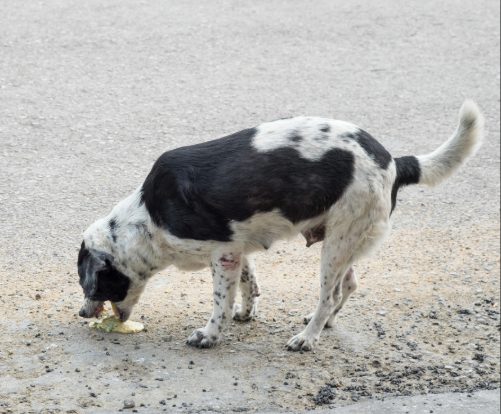
Why Your Dog Is Throwing Up Yellow Bile
A dog throwing up yellow bile often occurs when bile backs up into the stomach and irritates the stomach lining. This irritation can trigger nausea and vomiting, even if the dog otherwise seems normal. In many cases, bile vomit appears foamy or watery and bright yellow or yellow-green in color. Dogs that vomit bile early in the morning or late at night may have gone several hours without eating, which can allow bile to accumulate in the stomach.
Bile vomiting is not a diagnosis on its own. Instead, it is a sign that veterinarians interpret alongside other symptoms, such as appetite changes, energy level, stool quality, and how often vomiting occurs. While an isolated episode may resolve on its own, repeated episodes of a dog throwing up yellow often point to an underlying digestive issue that needs attention. This is why tracking frequency and timing is helpful when speaking with your veterinarian.
Common Reasons for an Upset Stomach
Several conditions can lead to your dog throwing up yellow, and some are more serious than others. Mild stomach irritation is common, but ongoing vomiting can indicate deeper concerns within the digestive tract or beyond.
Common contributors include:
- Temporary stomach inflammation caused by dietary indiscretion
- Irregular feeding schedules that leave the stomach empty for long periods
- Gastrointestinal motility issues that affect how food moves through the gut
- Chronic conditions such as inflammatory bowel disease
- Systemic illnesses that affect digestion indirectly
Stress also plays a role in digestive health. Changes in routine, boarding, travel, or household disruptions can trigger nausea and vomiting in sensitive dogs. In other cases, parasites or infections interfere with normal digestion and cause bile to appear in vomit. Because so many possibilities exist, repeated episodes of your dog throwing up yellow should never be dismissed as “just an upset stomach” without veterinary input.
When to Call the Vet for Bile Vomit
Knowing when your dog throwing up yellow becomes a medical concern helps protect your pet’s health. A single episode followed by normal behavior may not require immediate care, but patterns matter. Vomiting that happens frequently, worsens over time, or occurs alongside other symptoms often signals the need for an exam.
You should contact your veterinarian if:
- Vomiting happens more than once in a short period
- Your dog seems lethargic, uncomfortable, or withdrawn
- Appetite decreases or stops altogether
- Vomit contains blood or dark material
- Diarrhea, weight loss, or dehydration appears
Puppies, senior dogs, and dogs with chronic medical conditions should be evaluated sooner rather than later. If you notice vomiting combined with changes in thirst, urination, or behavior, these details help guide diagnostic decisions. The team at Lincolnway Veterinary Clinic encourages pet owners to call us at (574) 256-1871 or book an appointment online when vomiting becomes persistent or concerning.
The Link Between Diet and Vomiting
Diet plays a meaningful role in digestive health, and a dog throwing up yellow often connects to how and when a dog eats. Long gaps between meals can leave the stomach empty while bile continues to flow, increasing irritation. Some dogs also have sensitivities that affect how their stomach reacts to certain ingredients or fat levels.
Sudden food changes can upset the balance of the gastrointestinal tract. Switching diets without a gradual transition may lead to nausea, vomiting, or diarrhea. Dogs that regularly scavenge or ingest non-food items are also at higher risk for stomach irritation and bile vomiting. Even treats and table scraps can disrupt digestion when given inconsistently.
How Feeding Schedules Affect the Stomach
Feeding frequency influences stomach acidity and bile movement. Dogs that eat once daily may experience longer periods without food, increasing the likelihood of bile irritation. Veterinary guidance helps determine whether feeding patterns contribute to a dog throwing up yellow and whether adjustments may support digestive comfort over time.
How to Help Your Dog at Home
If your dog is throwing up yellow, veterinarians often focus on gathering information before recommending next steps. Observing patterns at home supports accurate diagnosis but should never replace professional care. Pet owners can note when vomiting occurs, what the vomit looks like, and whether other symptoms appear.
Helpful observations include:
- Time of day vomiting happens
- Frequency and duration of episodes
- Appetite and water intake changes
- Stool consistency and color
- Energy level and behavior
Avoid assuming vomiting is harmless, especially if it continues. While some cases resolve quickly, others worsen without intervention. Sharing detailed observations during a veterinary visit allows the care team to determine whether a dog throwing up yellow reflects a mild digestive issue or something more complex.
Diagnostic Tools Your Vet May Use
When yellow vomiting becomes recurrent, veterinarians rely on diagnostic testing to identify the cause. A physical exam provides valuable clues, but additional tools often reveal what is happening internally. These tests help rule out infections, organ dysfunction, and structural problems within the digestive tract.
Common diagnostic tools include bloodwork, which evaluates liver, kidney, and pancreatic function. Fecal testing checks for parasites or bacterial imbalances that may trigger vomiting. Imaging studies, such as X-rays or ultrasound, allow veterinarians to assess the stomach, intestines, and surrounding organs. In some cases, advanced diagnostics help identify chronic conditions that require long-term management.
Why Diagnostics Matter
Testing provides clarity and direction. Rather than guessing why a dog throwing up yellow keeps happening, diagnostics help tailor treatment plans to each dog’s needs. Early evaluation often prevents minor digestive issues from progressing into more serious health concerns.
Yellow Isn’t Always Mild: What Pet Owners Should Know
A dog throwing up yellow may appear less alarming than vomiting food or blood, but color alone does not determine severity. Bile vomiting can reflect chronic irritation that affects comfort and nutrition over time. Dogs may adapt to feeling unwell by acting quieter or eating less, which makes symptoms easier to miss.
Consistent veterinary care supports early detection and effective management. Even if vomiting seems intermittent, recurring patterns deserve attention. The goal is to identify the cause before complications arise, not after a dog’s health declines.
Clearing the Fog on Yellow Vomit
A dog throwing up yellow often raises questions, and those questions deserve clear answers. While bile vomiting sometimes relates to empty stomachs or mild irritation, it can also point to underlying digestive or systemic issues. Paying attention to patterns and seeking veterinary guidance ensures concerns receive appropriate care. If your dog shows repeated signs of yellow vomiting, contact Lincolnway Veterinary Clinic to discuss next steps. Call us at (574) 256-1871 or book an appointment online to support your dog’s digestive health with experienced, local veterinary care.