

Dog Licking Paws: Causes, Treatment, and Prevention
A dog licking paws is a behavior many pet owners notice during quiet moments at home, often when a dog settles in after a walk or before bedtime. Occasional licking is part of normal grooming, but frequent or intense focus on the paws usually signals irritation, discomfort, or an underlying health concern. Because a dog’s paws stay in constant contact with the ground, they are vulnerable to allergens, injuries, and infections that trigger persistent licking. Understanding what this behavior means helps pet owners recognize when something more than routine grooming may be happening and when professional veterinary care can make a difference.
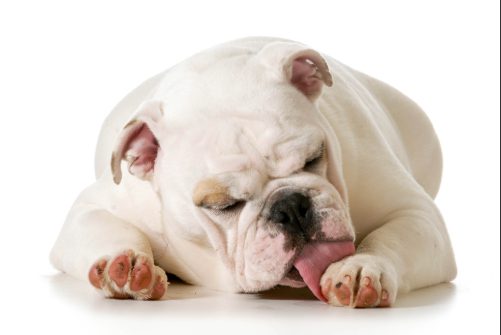
Understanding Why Dogs Lick Their Paws
Dogs rely on their mouths to explore and soothe discomfort, which explains why the paws often become a target when something feels off. A dog licking paws can start subtly, with short grooming sessions that gradually turn into longer, more frequent episodes. The skin between the toes contains scent glands and sensitive nerve endings, making it an area dogs instinctively attend to when irritated. Over time, repeated licking can worsen inflammation and create secondary problems, including skin infections or hair loss around the feet.
This behavior also reflects how dogs cope with physical sensations and environmental changes. Seasonal shifts, new walking routes, or changes in household routines can all influence paw health. While licking itself does not confirm a specific diagnosis, it serves as an important signal that deserves attention. Observing patterns such as timing, intensity, and whether one or multiple paws are involved provides helpful context for your veterinarian.
Common Reasons for Excessive Licking
Excessive licking often develops from a combination of factors rather than a single cause. Allergies rank high among reasons dogs fixate on their paws, particularly when symptoms flare during certain times of year. Environmental irritants such as pollen, grass, or road chemicals may cling to paw pads and trigger discomfort. Food sensitivities can also contribute, sometimes presenting as chronic paw licking alongside ear or skin issues.
Other medical concerns may also drive this behavior. Skin infections, parasites, or yeast overgrowth can cause itching and redness that prompt repeated licking. In some dogs, anxiety or boredom leads to habitual paw attention that becomes self-reinforcing. Each of these causes requires careful evaluation, as outward signs often look similar despite very different underlying issues.
Common contributors to persistent paw licking include:
- Environmental or seasonal allergies
- Food-related sensitivities
- Skin infections or parasites
- Pain, injury, or joint discomfort
- Stress-related or compulsive behaviors
Identifying and Treating Paw Allergies
Paw-focused allergies often develop gradually, making them easy to overlook until licking becomes constant. Dogs with allergic reactions may show redness between the toes, darkened saliva staining on the fur, or swelling around the paw pads. Dog licking paws linked to allergies frequently worsens after outdoor exposure or during specific seasons. Because allergies can overlap with infections, proper diagnosis matters before any treatment decisions begin.
Veterinary evaluation helps distinguish allergic causes from other conditions that look similar on the surface. Your veterinarian may recommend diagnostic testing or elimination trials to better understand what triggers the reaction. Treatment plans typically focus on reducing inflammation, controlling itching, and addressing secondary infections if present. Managing allergies often requires ongoing care rather than a one-time solution.
Seasonal vs. Year-Round Allergy Patterns
Some dogs experience flare-ups only during spring and fall, while others show symptoms throughout the year. Seasonal patterns often point toward environmental triggers, whereas year-round signs may suggest food sensitivities or indoor allergens. Tracking when paw licking increases can help guide discussions with your veterinary team.
The Role of Pain and Injury in Paw Licking
Pain remains an often-overlooked cause of persistent paw attention. Small cuts, foreign objects, or cracked paw pads can cause significant discomfort even when damage appears minor. Dogs may lick a single paw repeatedly when pain is localized, which helps distinguish injury from allergies that typically affect multiple feet. Dog paw licking tied to pain may also coincide with limping, reduced activity, or reluctance to walk on certain surfaces.
Joint conditions such as arthritis can also influence paw behavior. Discomfort higher in the limb sometimes manifests as licking lower down, particularly in older dogs. Nail bed injuries or torn nails can remain hidden beneath fur yet cause ongoing irritation. A veterinary exam allows these issues to be identified before they escalate into infections or chronic pain problems.
How to Help Your Dog’s Paws at Home
Supporting paw health begins with observation rather than treatment. Paying attention to changes in color, swelling, or odor helps catch problems early. After walks, noticing whether paw-licking behavior increases can provide useful clues about environmental triggers. Maintaining clean living spaces and consistent routines may also reduce stress-related behaviors that contribute to excessive licking.
While professional care addresses medical causes, pet owners play an important role in monitoring progress and preventing recurrence. Regularly checking paws during grooming sessions helps normalize handling and makes abnormalities easier to spot. Avoiding rough surfaces and extreme temperatures during walks can also support overall paw comfort. Any ongoing or worsening signs should prompt a conversation with your veterinarian rather than attempts to manage the issue alone.
When to Call Your Vet About Licking
Persistent dog paw licking deserves veterinary attention, especially when it interferes with daily life or leads to visible skin changes. If paw-licking behavior becomes constant, causes sores, or involves limping or swelling, scheduling an exam helps prevent complications. Early intervention often shortens recovery time and reduces discomfort. Veterinary guidance ensures the underlying cause receives appropriate care rather than temporary relief.
Pet owners in Mishawaka and surrounding areas can rely on Lincolnway Veterinary Clinic for thorough evaluations of paw-related concerns. Their team assesses medical history, environment, and lifestyle factors to create individualized care plans. If your dog’s paw licking raises concerns, call us at (574) 256-1871 or book an appointment online to discuss next steps.
Signs that warrant a veterinary visit include:
- Licking that persists daily or worsens over time
- Redness, swelling, or discharge around the paws
- Limping or avoidance of walks
- Hair loss or sores between the toes
A Clear Path Toward Healthier Paws
Paw licking may start as a small habit, but it often signals something meaningful beneath the surface. By understanding common causes, recognizing patterns, and seeking veterinary guidance when needed, pet owners can address issues before they escalate. A dog licking paws does not have to remain a mystery or a chronic struggle. With attentive care and professional support, many dogs return to comfortable, confident movement and healthier skin.