

Cat Nails: The Essential Guide to Trimming and Care
Cat nails play a central role in how cats move, stretch, climb, and interact with their environment. These claws are more than sharp tips at the end of each toe. They are living structures that grow continuously throughout a cat’s life and require regular attention to stay healthy. When nail care gets overlooked, cats can experience discomfort, exhibit behavior changes, or damage household surfaces. Understanding how cat nails function and why professional trimming matters helps pet owners make informed decisions that support long-term comfort and mobility.
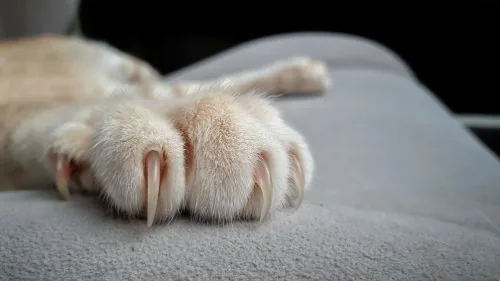
Understanding Your Cat’s Claws
Cat nails differ from human nails in both structure and purpose. Each nail grows from the bone of the toe and curves naturally as it lengthens. Cats use their claws for balance, climbing, stretching muscles, and marking territory. Because nails grow in layers, older outer sheaths shed periodically, revealing a sharper layer beneath. This natural process explains why nails may appear thicker or rougher over time.
Cats have five nails on each front paw, including the dewclaw, and four on each back paw. The dewclaw does not touch the ground, which means it does not wear down naturally. This makes it more likely to overgrow or curl inward if left unattended. Indoor cats often experience faster nail overgrowth since they lack abrasive outdoor surfaces. As nails lengthen, they can catch on fabrics or carpet, leading to stress or injury during routine movement.
Why Is Cat Nail Trimming So Important?
Routine attention to cat nails supports comfort, mobility, and healthy posture. Overgrown nails can change the way a cat walks, placing strain on joints and soft tissues. When nails curve too far, they may press into paw pads, creating pain or infection risks. Cats may respond by avoiding activity, grooming excessively, or showing irritability.
Long nails also increase the risk of accidental scratches during play or handling. Even gentle cats can scratch unintentionally if their nails are sharp or uneven. Regular trimming keeps nails at a functional length while preserving their natural purpose. Nail care also provides an opportunity to monitor paw health, including skin condition, swelling, or changes in nail color or texture.
Benefits of consistent nail care include:
- Improved comfort during walking and jumping
- Reduced risk of nail breakage or snagging
- Easier handling during exams or grooming
A Step-by-Step Guide to At-Home Trimming
Many pet owners ask about trimming cat nails at home, and understanding the process helps set realistic expectations. Nail trimming involves identifying the clear portion of the nail and avoiding the quick, which contains blood vessels and nerves. Because the quick varies in length and visibility, especially in darker nails, trimming requires precision and confidence. Cats may react to unfamiliar handling, making the experience stressful without proper preparation.
A calm environment and gentle restraint help reduce anxiety. Short sessions work better than attempting to trim all nails at once. Some cats tolerate handling of their paws more readily than others, which is normal. If a cat resists strongly, stopping the session helps prevent negative associations.
Key factors that influence trimming success include:
- The cat’s comfort level with paw handling
- Proper positioning and lighting
- Understanding nail anatomy before attempting a trim
Veterinary teams can demonstrate safe trimming techniques during appointments and provide guidance tailored to individual cats.
Troubleshooting Common Nail Trimming Problems
Even with preparation, nail trimming can present challenges. Some cats pull their paws away, vocalize, or become tense when nails are touched. These reactions often stem from previous negative experiences or sensitivity in the paws. In other cases, nails may be thick, brittle, or uneven, making trimming more difficult.
Cats with anxiety may benefit from gradual desensitization, where paws are handled briefly without trimming. Sudden movements or rushed attempts increase stress and reduce cooperation. Nail splitting or cracking can occur if nails are trimmed improperly or allowed to grow too long between trims.
Common concerns owners report include:
- Difficulty seeing the quick in dark-colored nails
- Fear of causing discomfort or bleeding
- Inconsistent cooperation from the cat
When these issues persist, professional nail trimming ensures safety and minimizes stress for both the cat and owner.
Signs of Unhealthy Nails or Injury
Healthy cat nails appear smooth, slightly curved, and free from discoloration or odor. Changes in appearance or behavior may indicate an underlying issue. Nails that grow unevenly, become excessively thick, or develop cracks warrant closer attention. Swelling around the nail bed or redness between toes may signal irritation or infection.
Cats experiencing nail discomfort may limp, lick their paws frequently, or avoid jumping. In severe cases, an overgrown nail can embed into the paw pad, leading to pain and infection. Early identification of these signs helps prevent complications.
Warning signs to watch for include:
- Limping or favoring one paw
- Bleeding near the nail or paw pad
- Sudden sensitivity when paws are touched
Veterinary evaluation allows for accurate assessment and appropriate care when nail abnormalities appear.
The Role of Your Vet in Cat Nail Care
Veterinary teams play an important role in maintaining healthy cat nails. Professional nail trims provide precision and reduce stress, especially for cats that resist handling. During a nail trim, veterinarians and technicians assess overall paw health, check for hidden injuries, and address any abnormalities.
Routine wellness visits often include nail evaluations, making it easy to stay ahead of overgrowth. For cats with medical conditions, mobility challenges, or behavioral concerns, professional trimming offers a safe alternative to home attempts. Veterinary guidance also helps determine appropriate trimming frequency based on age, lifestyle, and nail growth rate.
If you have questions about nail care or notice changes in your cat’s paws, the team at Lincolnway Veterinary Clinic can help. Call us at (574) 256-1871 or book an appointment online to discuss professional nail trimming and ongoing paw care.
Strong Paws for Confident Steps
Cat nails may seem like a small detail, but they influence comfort, movement, and daily behavior. Regular attention helps prevent avoidable discomfort while supporting natural activity. By understanding how nails grow, recognizing early warning signs, and partnering with your veterinarian, you can support your cat’s mobility at every life stage. Consistent nail care keeps each step confident and each stretch comfortable, contributing to a healthier routine for your cat.