

Cat Diarrhea: A Guide to Symptoms, Causes, and Care
Cat diarrhea refers to loose, watery, or unusually frequent stools that signal a change in how a cat’s digestive system is functioning. For many pet owners, it begins with a quick glance into the litter box and the realization that something is off. Diarrhea can appear suddenly or develop over time, and it may resolve on its own or persist. While an isolated episode can happen, ongoing or severe changes often point to an underlying issue that deserves attention. Understanding what cat diarrhea looks like, why it happens, and how veterinarians approach care helps pet owners respond calmly and confidently. For families in Mishawaka, IN, guidance from Lincolnway Veterinary Clinic can make the next steps clearer.
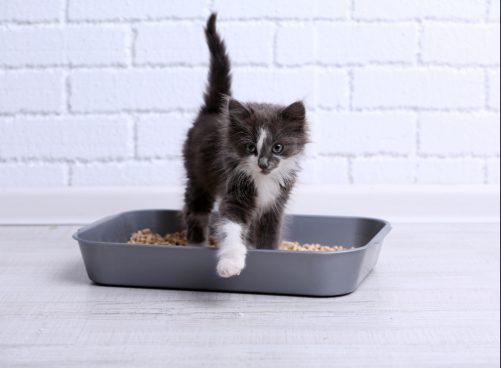
Recognizing Cat Diarrhea: What to Look For
Cat diarrhea goes beyond stool that looks slightly softer than usual. It often includes an increase in stool volume, a change in color, or a noticeable odor that differs from normal litter box habits. Some cats strain to defecate, while others may not make it to the litter box in time. You might also see mucus or blood mixed in the stool, which signals irritation within the digestive tract. These visible changes frequently appear alongside behavioral shifts such as reduced appetite, hiding, or decreased energy. Paying attention to both litter box changes and overall behavior gives veterinarians helpful context when evaluating cat diarrhea.
Common signs pet owners report include:
- Loose, watery, or pudding-like stool
- Increased frequency of bowel movements
- Stool outside the litter box
- Strong or unusual stool odor
Each of these details matters because they help determine whether the issue is mild, ongoing, or more urgent.
Common Causes of a Feline Upset Stomach
Cat diarrhea has many possible causes, which is why a thorough veterinary evaluation is so important. Dietary changes often play a role, especially when new foods, treats, or table scraps enter a cat’s routine. Stress also affects feline digestion, and changes such as moving, new pets, or schedule disruptions can trigger gastrointestinal upset. In other cases, infections caused by bacteria, viruses, or parasites interfere with normal digestion. Chronic conditions like inflammatory bowel disease, food sensitivities, or metabolic disorders may also contribute.
Dietary Sensitivities and Food Changes
Even high-quality foods can lead to digestive upset when introduced too quickly. Cats tend to tolerate consistency better than variety, and sudden switches may overwhelm the digestive system. Some cats develop sensitivities to specific ingredients over time, which can cause intermittent or recurring cat diarrhea. Treats, flavored medications, and human foods may also contribute, especially if they differ from a cat’s regular diet.
Infectious and Parasitic Contributors
Bacterial and viral infections can disrupt normal intestinal function, leading to loose stools or increased frequency. Intestinal parasites remain a common concern, particularly in kittens, outdoor cats, or households with multiple pets. These organisms interfere with nutrient absorption and irritate the intestinal lining, which often results in persistent digestive changes.
Underlying Medical Conditions
Ongoing cat diarrhea sometimes reflects deeper health concerns rather than short-term irritation. Conditions affecting the pancreas, liver, or thyroid can alter digestion and stool quality. Inflammatory conditions within the intestines may also cause chronic symptoms that fluctuate over time. Identifying these issues early supports more effective long-term management.
Environmental and Lifestyle Factors
Indoor cats can still experience digestive issues related to their environment. Stress from construction noise, visitors, or altered routines may disrupt normal bowel function. Multi-cat households sometimes see digestive changes when competition or tension arises around resources like litter boxes or food bowls. Even subtle changes can affect sensitive cats.
When Is Diarrhea a Veterinary Emergency?
While some cases of cat diarrhea resolve quickly, others require prompt veterinary care. Diarrhea that lasts more than a day or two, appears suddenly in a kitten or senior cat, or occurs alongside vomiting raises concern. Blood in the stool, black or tarry stool, or signs of dehydration also signal the need for immediate attention. Cats tend to hide discomfort well, so visible diarrhea often means the digestive system is under significant stress.
Situations that warrant a veterinary visit include:
- Diarrhea lasting longer than 48 hours
- Lethargy, weakness, or loss of appetite
- Blood or mucus in the stool
- Known exposure to toxins or unfamiliar substances
Safe Home Care for Mild Diarrhea
When cat diarrhea appears mild and short-lived, veterinarians often focus on monitoring rather than immediate intervention. Observing changes in stool consistency, frequency, and behavior provides valuable information. Keeping the litter box clean and noting patterns helps determine whether the issue is improving or persisting. It is important to avoid guesswork or unapproved remedies, as some products intended for people or other pets can be harmful to cats.
Veterinary teams guide pet owners on what changes to watch for and when to schedule an exam. This approach ensures that mild digestive upset does not progress unnoticed. If diarrhea continues or worsens, professional evaluation becomes the next step.
The Role of Diet and Nutrition
Diet plays a significant role in digestive health, and even small changes can affect stool quality. Cats thrive on consistency, and abrupt switches between foods may disrupt digestion. Some cats also develop sensitivities to certain proteins or ingredients over time. In these cases, diarrhea may appear intermittently or become a recurring issue.
Veterinarians assess diet history carefully when addressing cat diarrhea. They may review ingredients, feeding schedules, and recent changes to determine whether nutrition contributes to the problem. Long-term dietary planning often supports digestive stability and overall wellness.
Long-Term Solutions and Prevention
Preventing recurring cat diarrhea starts with identifying the underlying cause. Regular veterinary visits allow early detection of chronic conditions that affect digestion. Parasite screening, wellness exams, and open communication about changes at home all support proactive care. Stress management also matters, especially in cats prone to anxiety or environmental sensitivity.
Long-term strategies often focus on:
- Maintaining consistent feeding routines
- Scheduling routine veterinary checkups
- Addressing stressors within the home
By partnering with a veterinary team, pet owners gain clarity and peace of mind when digestive issues arise.
From Litter Box Clues to Clear Answers
Cat diarrhea can be troublesome, but it also offers important insight into a cat’s internal health. Changes in stool often serve as early signals that something needs attention. By recognizing symptoms, understanding common causes, and knowing when to seek veterinary care, pet owners take an active role in their cat’s well-being. If your cat is experiencing ongoing digestive changes, the team at Lincolnway Veterinary Clinic is ready to help. Call us at (574) 256-1871 or book an appointment online to discuss your concerns and next steps with a trusted veterinary professional.