

Dog Paw Print: A Guide to Paw Health and Meaning
A dog paw print is more than a familiar shape left behind on a sidewalk or a favorite blanket. It reflects how a dog moves through the world, absorbs impact with every step, and connects physically and emotionally with the people around them. From the structure of the pads to the patterns they leave behind, a dog paw print can offer insight into comfort, mobility, and even the bond between pets and their families. Understanding what goes into a dog paw print helps pet owners recognize why paw health matters and why these prints carry both practical and sentimental value.
Understanding Your Dog’s Paw Print
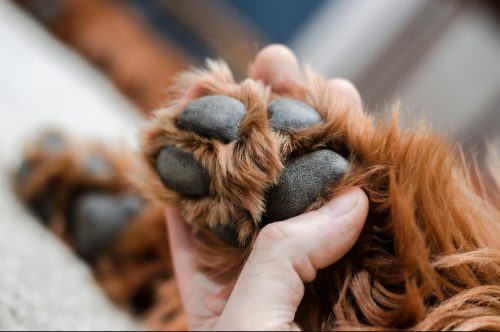
A dog paw print forms from a complex structure designed to support movement across many surfaces. Each print typically includes four digital pads, one larger central pad known as the metacarpal or metatarsal pad, and the impression of nails depending on how a dog walks. These components work together to provide traction, absorb shock, and protect bones and joints during daily activity. When a dog walks, the paw pads spread slightly, allowing the print to adapt to uneven ground and maintain balance.
The shape and size of a dog paw print vary by breed, age, and overall body structure. Larger breeds tend to leave wider, heavier prints, while smaller dogs often leave more compact impressions. Gait also plays a role, as dogs with longer strides may leave elongated prints compared to dogs with a shorter, quicker step. Over time, changes in a dog paw print can reflect natural aging or shifts in movement patterns, making paws an important area to observe during routine veterinary visits.
What Your Dog’s Paw Pads Can Tell You About Their Health
Paw pads act as the foundation of every dog paw print and serve as a window into overall comfort and mobility. Healthy paw pads are typically smooth, resilient, and slightly textured, allowing them to grip surfaces without excessive wear. When pads maintain their natural thickness and flexibility, dogs can move confidently across grass, pavement, and indoor flooring. Subtle differences in paw pad condition can influence how clearly a dog paw print appears on various surfaces.
Veterinary teams often evaluate paw pads as part of a physical exam because they experience constant contact with the ground. Pads help regulate temperature, cushion joints, and protect sensitive internal structures. When paw pads change in texture or appearance, it can affect how a dog distributes weight across each step. This weight distribution influences the clarity, depth, and symmetry of the dog paw print, which is why veterinarians pay close attention to paws during routine checkups.
Nail Length and Paw Print Shape
Nail length plays an important role in how a dog paw print forms. When nails grow longer than ideal, they may appear prominently in the print and alter how the paw meets the ground. This can shift pressure away from the pads and affect posture over time. Regular veterinary nail trims help maintain a balanced paw structure and support comfortable movement without placing stress on joints or soft tissue.
Common Paw Print Issues to Watch For
Changes in a dog paw print often appear gradually and can signal the need for closer attention from a veterinary professional. Uneven prints, dragging marks, or inconsistent spacing between steps may indicate that a dog is compensating for discomfort. Environmental factors like rough terrain, extreme temperatures, or frequent exposure to hard surfaces can also influence how paw prints look and feel.
Pet owners may notice that a dog paw print looks less defined than usual or appears irregular from one paw to another. This inconsistency can stem from differences in weight-bearing or mobility. Observing paw prints during walks or outdoor play provides helpful information to share with a veterinarian, especially when paired with changes in activity level or behavior.
- Irregular or uneven paw prints between front and back paws
- Visible nail impressions that dominate the print
- Smudged or incomplete prints that suggest altered weight distribution
These observations do not replace veterinary evaluation but can help guide productive conversations during an appointment.
Paw Print Care: Keeping Pads Healthy and Happy
Supporting healthy paws helps maintain clear, balanced dog paw prints throughout a dog’s life. Veterinary care focuses on routine examinations that assess pad condition, nail length, and overall paw structure. These evaluations allow veterinarians to identify early changes and address them before they interfere with mobility or comfort. Regular wellness visits provide an opportunity to discuss lifestyle factors that influence paw health, such as activity level and environment.
Paw health also connects closely to joint health and posture. When pads function as intended, they absorb impact efficiently and reduce strain on the legs and spine. This balance supports a natural gait and consistent paw print pattern. Veterinary teams often look at how a dog stands and walks, as these movements directly affect how each paw contacts the ground and leaves its print behind.
Pet owners in Mishawaka can rely on the team at Lincolnway Veterinary Clinic to evaluate paw health as part of comprehensive preventive care. If you notice changes in your dog paw print or how your dog moves, call us at (574) 256-1871 or book an appointment online.
The Symbolic Meaning of a Dog’s Paw Print
Beyond physical health, a dog paw print carries deep emotional meaning for many pet owners. It represents companionship, loyalty, and the shared moments that define life with a dog. Paw prints often become symbols of presence, marking favorite spots around the home or yard where a dog spends time resting or playing. These impressions remind people of daily routines and quiet connections that might otherwise go unnoticed.
In memorial settings, a dog paw print often serves as a lasting reminder of a bond that continues beyond a pet’s lifetime. Many families choose to preserve a paw print as a tribute to the joy and comfort their dog brought into their lives. The simple shape becomes powerful because it reflects individuality while remaining universally recognizable. Each dog paw print tells a story that feels both personal and timeless.
How to Make a Paw Print Keepsake
Creating a paw print keepsake allows pet owners to preserve a meaningful moment while celebrating their dog’s unique presence. Many different kits are available for purchase, allowing you to choose which type of paw print keepsake you like best. These keepsakes may be created using ink, clay, or other pet-safe materials under supervised conditions. The result captures the natural shape and size of a dog paw print without causing stress or discomfort.
Paw print keepsakes are commonly used to mark milestones such as adoption anniversaries, birthdays, or memorials. Displayed in frames, shadow boxes, or albums, they serve as tangible reminders of shared experiences. Because each dog paw print is distinct, the keepsake reflects individuality in a simple yet lasting way. Pet owners interested in this option can ask their veterinary team about available services during an appointment.
Four Prints, One Story: Why Paw Health and Meaning Matter
A dog paw print reflects both function and feeling. It supports daily movement while symbolizing the connection between dogs and the people who care for them. By paying attention to paw structure, print patterns, and overall comfort, pet owners gain insight into how their dogs experience the world step by step. Routine veterinary care ensures those steps remain steady and comfortable over time.
For pet owners in Mishawaka, the team at Lincolnway Veterinary Clinic is here to support every stage of your dog’s life. If you have questions about paw health or notice changes in your dog paw print, call us at (574) 256-1871 or book an appointment online to schedule a visit.